Lobbying

Lobbying

Representing clients before the Ohio General Assembly and the U.S. Congress, our lawyer-lobbyist team has experience collaborating with all three branches of government.

Every week, we advocate on our clients’ behalf with state and federal regulators. This means working closely with clients to understand the changes they need – both legislative and regulatory – to help bring their ideas together and implement a smart public policy strategy.

Our government affairs clients are represented by a bipartisan team of lobbyists consisting of attorneys and professionals, and our clients appreciate the attorney-client relationship that arises through engaging Kegler Brown. And through our membership in SCG Legal (a global network of law firms stationed in state and international capitals), our firm has the capability to create and execute a multi-jurisdictional lobbying strategy.

Our Services

  • State legislative lobbying: advocating the interests of our clients to legislators; monitoring significant legislation, amendments and hearings; preparing and delivering testimony; drafting legislation and necessary amendments
  • State executive branch lobbying: analyzing and commenting on pending administrative rules; meeting with regulators to influence public policy positions at administrative agencies and to diffuse regulatory crises; finding procurement leads for clients seeking government business
  • Federal legislative lobbying: representing Ohio-based companies and organizations; leveraging the strength of the Ohio Congressional delegation to change federal laws or to impact pending legislation
  • Federal executive lobbying: asserting a need for federal funding assistance for critical programs and initiatives
  • Public policy development: transforming public policy goals and objectives into concrete priorities

Our Clients

We represent Ohio-based companies and organizations, as well as U.S. companies based in other states. Our clients range from startup companies to international corporations, including:

  • Transportation improvement districts: political bodies sanctioned under state law; we protect state law provisions that provide TIDs with the flexibility needed for efficient operation and identify and advocate for funding to support TID projects
  • Metropolitan planning organizations/councils of governments: created by federal law to convene representatives from local government organizations to prioritize and fund infrastructure projects; preserving Ohio’s tradition of strong local governments
  • Industry associations: determining necessary government support and translating those needs into a public policy agenda for legislators and regulators; identification of legislative sponsors to assist in writing or supporting favorable legislation; building coalitions that support mutual interests
  • Large corporations: monitoring and analyzing legislation that could impact business operations; recommending lobbying strategies to support favorable legislation and combat costly bills and regulations; fighting hostile local government ordinances

People

Steve Tugend

Director + Chair, Government Affairs Practice

614-462-5424Email

Experience

Regulatory Representation of Low-Income Weatherization Provider

A home wrapped in a scarf, representing weatherization of a structure

Developing a Voice for Salon Owners

Salon chairs

Coordination of Indiana Lobbyist to Defeat Critical Proposed Legislation

Developing Better Rules for Ohio SBAM Regulation

You’re Getting Warmer

Exchange of Real Property Between U.S. Army and Private Industrial Park

Comprehensive Legislative Victory Achieved for National Telecommunications Provider


Publications + Presentations

Presentation

Statehouse + PUCO Update

Weatherize Ohio
Presentation

Ohio Statehouse Advocacy 101

Webinar with Enterprise Community Partners, Inc.
Video Clip

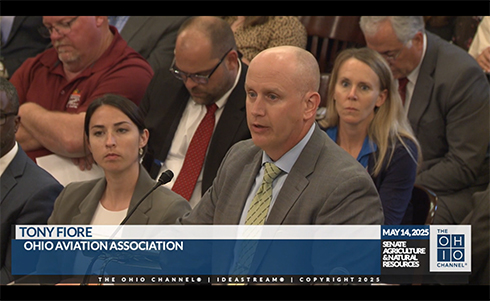
Testimony on House Bill 96

Ohio Senate Agriculture and Natural Resources Committee
Video Clip

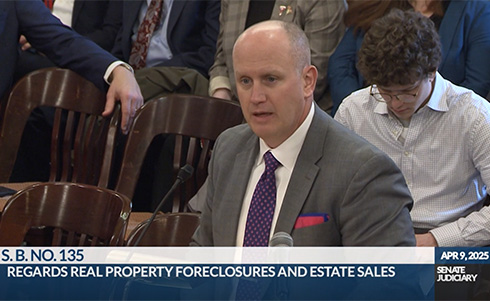
Testimony on Senate Bill 135

Ohio Senate Judiciary Committee
Article

2024 Election Guide

Article

​2022 Election Recap: Our Thoughts on The Outcome

Kegler Brown Government Affairs Update
publication

State Biennial Budget: Understanding the Impact on Business

On July 22, Steve Tugend took part in an in-depth look at the Ohio State budget and how Ohio’s budget will affect businesses through a discussion with The Columbus Chamber. He presented with the Ohio budget and management Director Kimberly Murnicks and Chamber board member Derrick Clay.

Columbus Chamber of Commerce
publication

New Budget Language May Conflict with Common Practice and Proposed Legislation

For approximately the 100th time, Ohio passed a biennial state budget. Buried in the text of the budget bill, HB110, are a plethora of changes to the Ohio Revised Code- a few are disconcerting and may be worth calling to the attention of the folks at the Statehouse.New R.C. 9.27 (currently untitled) codifies contract provisions commonly implemented by government lawyers. Those familiar with government contracts in Ohio recognize, for example, the prohibition of adding indemnity and hold harmless clauses in agreements when selling to the government. In Ohio, these are problematic and almost without fail get struck by government reviewing attorneys. Now exclusion of such provisions are mandated by law, and if they are seen sneaking their way back into agreements with the state, the terms or conditions including them are “void ab initio.” In other words, these provisions are immediately unenforceable, although the rest of the contract should survive. See new R.C. 9.27(C). Unfortunately, three separate parts of this new code section may do more than just void a sentence or two of an agreement generated after the law takes effect. New 9.27(B) states that “Except as otherwise required or permitted by state or federal law, a contract entered into by the state for the procurement of goods or services shall not include any of the following:” ***(4) A provision that requires the state to agree to limit the liability for any direct loss to the state for bodily injury, death, or damage to property of the state caused by the negligence, intentional or willful misconduct, fraudulent act, recklessness, or other tortious conduct of a person or a person's employees or agents, or a provision that would otherwise impose an indemnification obligation on the state.(5) A provision that requires the state to be bound by a term or condition that is unknown to the state at the time of signing a contract, that is not specifically negotiated with the state, that may be unilaterally changed by the other party, or that is electronically accepted by a state employee. *** (8) A provision for automatic renewal such that state funds are or would be obligated in subsequent fiscal years. ***As previously noted, these formerly uncodified sections were largely followed by government lawyers as a matter of course, as they benefit the government in its contracting and protect the taxpayer. However, these new provisions are problematic for a variety of reasons, as they impact proposed law and common industry practice. 1. R.C. 9.27(B)(4) Codifies Rejecting Damage Limitation Clauses with the State Through new R.C. 9.27(B)(4), the state intends to control contract provisions that impact limitations on the state’s ability to recover damages. Probably a good idea, but an idea that is incongruent with a proposed change to the Ohio Revised Code currently working its way through the back halls of the Statehouse. Senate Bill 56, passed by the Senate and introduced to the House on June 10th, would limit the liabilities of design professionals doing government work to the “proportionate share of [their] tortious conduct…” Thus, while new R.C. 9.27(B)(4) would invalidate contract provisions limiting liability, Senate Bill 56 proposes legislation that would, in fact, limit liability for certain design errors.Under general interpretations of statutory construction, if SB56 gets passed in the future, a reasonable argument can be made that the General Assembly (“GA”) was aware of R.C. 9.27 and superseded it with a newer and more specific law. However, arguable interpretations do not make good law. Law that is in apparent conflict with pending law should be scrutinized, and the GA may want to take another look at (B)(4) or consider augmenting SB56 accordingly. 2. R.C. 9.27(B)(5) Places Constraints on State Employee Alterations / Approval of ContractsSection (B)(5) of R.C. 9.27 is also problematic. Starting July 1, 2021, the state will no longer be bound by a contract provision “electronically accepted by a state employee.” Perhaps this new section will protect against nefarious state employees regularly slipping in terms and conditions that harmed the state in the past, but most state contracts are approved by state employees (who else would?), and many of these approvals and changes are performed electronically. It should come as no surprise that modifications to government contracts happen daily. Simple examples include reasonable and limited changes in cost, scope and quantity. For years, the state has been attempting to gravitate to more online e-contracting processes. The Ohio Department of Administrative Services has spent tens of millions of dollars on Ohio Buys, and part of that system will include electronic approval of the contract and electronic modifications. There have also been efforts in this state toward accepting smart contracts and blockchain technology. Those contracts will almost certainly include electronic or even automatic acceptance. Current House Bill 177, referred to Senate Committee on May 12, 2021, proposes to create R.C. Section 9.16(B), which would allow the state to utilize distributed ledger technology, including blockchain technology, in contracting. But if a state employee cannot “electronically accept” a term or condition under new R.C. 9.27(B)(5), how can they implement a blockchain smart contract? This new section goes against modern trends in both the public and private worlds to create streamlined processes and reduce the consumption of paper. Before government processes are slowed down even further, (B)(5) is worth revisiting. 3. R.C. 9.27(B)(8) Makes Void Contract Renewal Provisions Beyond the BienniumLastly, Ohio has been making advancements in contracting methods, including Public Private Partnership for nearly a decade. Lease-lease back financing for public works has been a proven method of developing schools and other infrastructure for many, many years. Automatic biennial renewals are a standard part of these contracting methods. However, to comply with the Ohio Constitution, these automatic renewals must be contingent on a continuing appropriation. If a future GA does not appropriate funds, the renewal does not occur. Any other process for renewal is already prohibited by Ohio law. The language in R.C. 9.27(B)(8) is unnecessary and disrupts proven and viable project financing and delivery methods. In April of this year, the General Assembly debated House Bill 91. That law’s intent is to make public-private partnerships available to all levels of government in this state. Seminal to these agreements is the ability of the government to commit to financing during the life of a multi-year project via mechanisms like availability payments or user fees. To be sure, most of these projects involve infrastructure, but some (e.g. design-build projects) are just as much a contract for services as a construction project. This new law is in apparent conflict with HB91 and will create perceived risks that will make financing difficult, or at least more expensive, in Ohio. The state budget was debated and discussed for months. The new section of R.C. 9.27 was in, then it was out, and now it is in again. Although nuanced, the above concerns are significant. Prior to enactment of new R.C. 9.27, government lawyers were able to have some flexibility in their contract drafting and state employees could comfortably approve contract modifications quickly and efficiently. When doing business with mega-corporations like Amazon, Facebook and Google, the state needed to be able to negotiate certain contract provisions that corporate giants demanded. Now, will those same e-commerce giants want to do business in a state that prohibits its employees from approving a contract by email? Perhaps the honorable members of the Ohio General Assembly will reconsider new R.C. 9.27 and the constraints it places on contracting with the state. There remain opportunities with the draft bills (SB56, HB177, and HB91) to slip in “notwithstanding” catch-all phrases that can mitigate the impacts of R.C. 9.27. Although that is a bit unartful, it is important to provide some form of clarity to the government lawyers who draft billions of dollars’ worth of goods and services contracts, and the many vendors and financiers who do business with this state. 

publication

2020 Election Guide

As political campaigns fill airwaves and mailboxes touting the reasons you should select them for office, the Kegler Brown Hill + Ritter Government Affairs team has pulled together this “2020 Election Guide” to help you wade through the clutter. Here are your critical dates: General election voter registration deadline: Monday, Oct. 5, 2020 Early voting and mail-in voting begins: Tuesday, Oct. 6, 2020 Deadline to request absentee ballot: Saturday, Oct. 31, 2020 Early voting and mail-in voting ends: Monday, Nov. 2, 2020 General election: Tuesday, Nov. 3, 2020 While all elections are important, those in presidential election years are especially so. On or before November 3, you will be asked to select the president of the United States, choose your congressional representative (all of Ohio’s 16 seats are up for grabs), all 99 members of the Ohio House of Representatives, half of the Ohio Senate (16 seats), two Ohio Supreme Court judges, and make decisions on many other local issues and candidates. The “2020 Election Guide” contains: A complete list of candidates running against each other Links to the candidates’ websites so you can see where they stand on issues, and Endorsement/Recognition of the candidates by several business and professional trade associations, as well as labor associations. Kegler Brown does not make any candidate endorsements. The "2020 Election Guide" is for informational purposes only, and its focus on business may not reflect endorsements candidates have received from groups and organizations in other areas. We encourage you to contact the organizations referenced within for more information and to visit each candidate’s website for more information on their specific stances and further endorsements. Please feel free to share this information with your management team and employees, as well as your friends and family, so everyone can be an educated voter for the November election.

Kegler Brown Government Affairs Update

News

July 16, 2025

Sheila Boehner Completes SCGLegal’s New Partner Institute Program

Sheila Boehner has received her Certificate of Completion from SCG Legal’s 2024-2025 New Partner Institute - an eight-month-long, unique executive training program that was designed to address the challenges faced by new partners of today’s modern law firms. The programming focused on enhancing the critical leadership, business development, and matter management skills lawyers must master to position themselves for success, both now and in the long term. SCG Legal is a worldwide network of leading law firms with 125 Independent Law Firms in 65 countries, including all U.S. States. Kegler Brown is proud to be a founding member of the organization, which was established over 30 years ago. “I appreciated the opportunity to meet with similarly situated attorneys, including those in the international contingency. Working together to discuss best practices impacting our ability to best serve our clients was a highlight of the program. I am grateful for the opportunity,” said Sheila. Government Relations Chair Steve Tugend stated, “It’s important that our team is integrated with our global network within the State Capital Group. This NPI Certification will allow Sheila to be more responsive to our multi-jurisdictional clients.” The SCG Legal New Partners Institute is limited to 18 participants across different firms, with participants from around the world. Each member firm may nominate only one new partner to participate in the program.


March 4, 2024

Kegler Brown Announces Tony Fiore and Tom Pannett as Firm Directors

Kegler Brown is pleased to announce the appointment of Tony Fiore and Tom Pannett as firm directors. Tony, a seasoned attorney and lobbyist with more than 15 years of experience, assumes the role of firm director with a focus on government affairs, association management, and regulatory compliance. Having joined Kegler Brown in 2011, Tony's expertise in navigating local, state, and federal legal landscapes has been instrumental in providing strategic counsel to clients ranging from small businesses to international corporations. His leadership in advocating for legislative reforms and his extensive involvement in various trade associations underscore his commitment to driving positive change in regulatory environments. Tom brings more than 25 years of extensive experience in Ohio’s transportation industry to his new role as firm director. Specializing in construction, real estate, litigation, and matters involving state and local governments, Tom has been a valuable member of the team since joining Kegler Brown in 2021. As a registered professional engineer in Ohio and having earned an MBA, Tom brings a diverse skill set and insights garnered from more than three decades of public service in state and local government to enhance the firm's capabilities in serving clients. Commenting on the appointments, Managing Director Chris Weber stated, "We are delighted to name Tom Pannett and Tony Fiore to our director team. Their proven track records of excellence and dedication to client service make them invaluable additions to our firm. We are confident that their leadership will further strengthen Kegler Brown's position as a trusted legal partner for our clients." As firm directors, Tony and Tom will play pivotal roles in shaping the firm's strategic direction, fostering client relationships, and advancing its commitment to delivering exceptional legal services across diverse and niche practice areas.


January 5, 2023

Kegler Brown Practice Areas Ranked in U.S. News – Best Lawyers® “Best Law Firms”

U.S. News – Best Lawyers® "Best Law Firms" has released its 2023 award rankings. Kegler Brown is nationally ranked in 1 practice area and regionally ranked in 33 practice areas. The 2023 edition of U.S. News – Best Lawyers® “Best Law Firms” recognizes the most elite firms across the nation, identified for their professional excellence with consistently positive feedback from clients and peers. Achieving a tiered ranking signals a unique combination of quality law practice and breadth of legal expertise. Ranked firms, presented in three tiers, are recognized on a national and regional scale. All three tier rankings represent the highest-level feedback a firm can receive and demonstrate the best in the legal industry across the United States. All Kegler Brown ranked practice areas are listed below. National Tier 3 Corporate Law Columbus Metropolitan Tier 1 Banking and Finance Law Bet-the-Company Litigation Commercial Litigation Construction Law Corporate Compliance Law Corporate Law Criminal Defense: General Practice Criminal Defense: White-Collar Employee Benefits (ERISA) Law Ethics and Professional Responsibility Law Insurance Law Land Use & Zoning Law Litigation - Antitrust Litigation - Bankruptcy Litigation - Construction Litigation - Land Use & Zoning Mergers & Acquisitions Law Real Estate Law Tax Law Trusts & Estates Law Workers' Compensation Law - Employers Columbus Metropolitan Tier 2 Antitrust Law Bankruptcy and Creditor Debtor Rights / Insolvency and Reorganization Law Energy Law Environmental Law Litigation - Intellectual Property Litigation - Labor & Employment Personal Injury Litigation - Plaintiffs Professional Malpractice Law - Defendants Workers' Compensation Law - Claimants Columbus Metropolitan Tier 3 Government Relations Practice Litigation - Health Care Litigation – Insurance About "Best Law Firms" The U.S. News – Best Lawyers® "Best Law Firms" rankings are based on a rigorous evaluation process that includes the collection of client and lawyer evaluations, peer review from leading attorneys in the field, and review of additional information provided by law firms as part of the formal submission process. To be eligible for a 2023 ranking, a law firm must have at least one lawyer recognized in the 28th edition of The Best Lawyers in America® for that location and specialty. You can view the 2023 recognized Kegler Brown attorneys here. The entire list of 2023 U.S. News – Best Lawyers® "Best Law Firms" publication can be viewed here.


April 23, 2019

Kegler Brown Director Joins Department of Public Safety Study Committee

Steve Tugend, chair of Kegler Brown’s Government Affairs practice, has been appointed to the National Motor Vehicle Title Information Systems (NMVTIS) Utilization Study Committee by the Director of the Ohio Department of Public Safety, Thomas J. Stickrath. Enacted as part of SB263, the “Enact Notary Public Modernization Act,” the Committee’s goal is to study and make recommendations on how to better issue salvage certificates of title in Ohio and utilize the information related to them. Tugend will serve as the representative of the salvage automobile auction industry on the Committee throughout the appointment, which lasts until January 31, 2020, when the Committee must submit its findings and recommendations to the Governor. Tugend’s recent committee experience includes serving as a member of Ohio’s Base Realignment and Closure (BRAC) and Military Affairs Task Force, where he helped study and analyze Ohio’s military installations, assets, and resources in search of realignment opportunities. Tugend has over 25 years of experience in legal, legislative and political matters. He counsels clients such as local governments and private sector partners on project-related issues, which includes advising TIDs on complex transportation projects and advocating for Ohio’s defense institutions as a member of Ohio’s BRAC and Military Affairs Task Force.


October 30, 2018

Kegler Brown Welcomes New Attorney to Energy + Environment Team

Kegler Brown Hill + Ritter is pleased to announce the addition of attorney Robert Dove. Robert will focus primarily in the firm’s Energy + Environment practice.With experience advising retail energy providers, counseling non-profits, advocating for customers, and negotiating disputes between utilities, Robert has built a comprehensive practice focused on serving clients with a variety of Energy + Environmental needs.In addition to energy litigation, Robert has tried cases involving UCC claims, business disputes, and various issues involving real property. Previously, Robert operated his own firm and advocated for clients in courts across Ohio including before the Ohio Supreme Court. He also regularly represents clients before the Public Utilities Commission of Ohio in multi-party litigation.Robert received his Juris Doctor in 2014 from Capital University Law School. He is also a graduate of The Ohio State University (2011).