
Commercial Lending

Commercial Lending

Market challenges continue to emerge at a rapid pace and regulators are constantly shifting their focus in response to public demand for new forms of oversight.

To help our clients adjust to this ever-changing marketplace, we develop a deep, ongoing understanding of their business and commit to maintaining fluency in current market terms and conditions. By doing this, we are able to negotiate, close and manage all forms of lending transactions.

Our Services

  • Asset-based lending: including structuring, due diligence, document prep, and perfecting liens on collateral
  • Syndicated lending: including the creation of syndicates and management of multi-facility credit lines
  • Acquisition and disposition of distressed debt: including negotiating private and public purchase and sale agreements and enforcing lien interests
  • Loan restructuring: including determining opportunities for changing, amending and improving documentation and collateral position
  • Mezzanine financing: including structuring, due diligence, document prep and negotiating inter-creditor agreements with senior lenders
  • Project financing: especially in regard to economic development initiatives that leverage conventional financing with federal, state and local ED tools and incentives

Our Clients

We represent financial institutions and public and private borrowers from a wide range of industries, including restaurant chains, retail operations, salons, manufacturing companies, and real estate developers. This gives us a broad-based understanding of the issues most important to either side of any loan transaction.


People

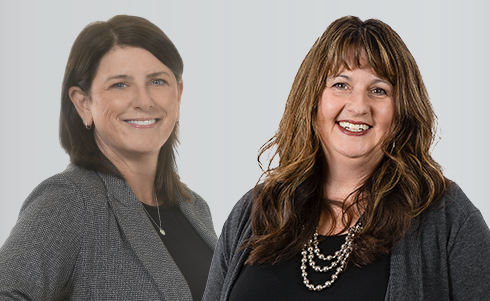
Michael L. Schottenstein

Director + Chair, Real Estate + Finance Practice

614-462-5451Email
Maria Mariano Guthrie

Director + Chair, Creditors’ Rights + Bankruptcy Practice

614-462-5437Email

Experience

Bankruptcy Claims Management Across Multiple Jurisdictions

Collateral Recovery + Bankruptcy Plan Challenge for Lender

Foreclosure + Receivership for Downtown Mixed-Use Property

Foreclosure, Receivership + Fraudulent Transfer Litigation for Regional Lender

Trustee Representation + Asset Recovery in Chapter 7 Estate

Two Receiverships for Affordable Housing Properties

Capital Bank Closes $44MM Construction Loan for an Electrical Substation to Power Data Center

Capital Bank Closes $44MM Construction Loan for an Electrical Substation to Power Data Center

Heartland Bank Closes Construction Loan for Mixed-Use Development in Bexley

Kegler Brown Hill + Ritter and Heartland Bank logos

Sale + Franchising of Ohio Music Education Studio

A person writing musical notes on a chalkboard

Publications + Presentations

Presentation

Caselaw Update: “Help Me Help You”

Columbus Bar Association
Presentation

Why Clerk?

The Ohio State University Moritz College of Law
Article

Understand Your Cash Flow + Financial Options to Survive COVID-19

Presentation

2016 Legal Seminar for Credit Professionals Presentation

This year's Legal Seminar for Credit Professionals took place on Wednesday, May 18.The agenda was as follows: 8:45-9:45 a.m. Protecting Sensitive Personal Data and Liability for Data Breach Mark Manoukian and Luis Alcalde will present issues of critical importance to the credit professional who has collected sensitive personal and business information. Mark will discuss common means used by hackers to steal private business information. Luis will then describe theories of legal liability if private information is stolen or accessed for improper purposes 9:45-10:00 a.m. Break + refreshments 10:00-10:45 a.m. Securing Payment—Secured Transactions, PMSI and Consignments Larry J. McClatchey will help credit managers understand how and when to use security agreements to ensure payment for goods, how a purchase money security interest can benefit a seller, and what is required for an effective consignment agreement. 10:45-11:30 a.m. Current Legal Issues in Bankruptcy and Collections Christy A. Prince will cover recent bankruptcy and collection cases of interest to credit professionals, including how to use the most common defenses to preference cases: ordinary course of business and new value. Materials will be supplemented up to the day of the program to cover late breaking developments. 11:30a.m.-12:00 p.m. Discussion, questions and answers and wrap-up