
Rethinking Engineering Ethics: Lessons from Leading U.S. and Global Programs
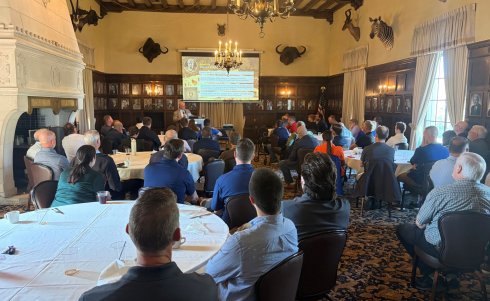
As part of a Local Technical Assistance Program session with the Ohio Department of Transportation, Tom Pannett presented Engineering Ethics as Taught by Top Tier National + International Engineer Schools: A Curriculum Review + Analysis, examining how ethics is taught, defined and applied across engineering education.
The presentation explored how engineering ethics has evolved over time, from informal professional expectations to a more structured framework shaped by law, regulation and academic instruction. It also highlighted how leading institutions in the United States and abroad are approaching ethics education, with an emphasis on case-based learning, real-world application and integration into technical coursework.
Pannett’s discussion underscored a broader trend. As engineering becomes more closely tied to complex systems, emerging technologies and global decision-making, ethics is being treated less as a standalone concept and more as a core component of professional practice. This shift reflects growing expectations around accountability, risk awareness and the role engineers play in shaping outcomes that affect public safety and society at large.
Overall, the session emphasized that strong ethical judgment is not developed through rules alone. It requires continued exposure, practical application and an understanding of how professional standards intersect with real-world challenges.